Tree Lacing

Tree Lacing Trimming Services
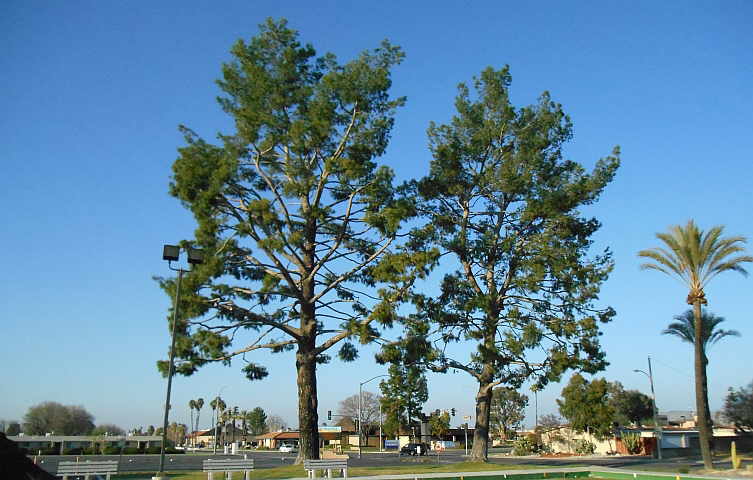
Lacing
Smaller branches of the tree are removed from the canopy for better air circulation and sunlight. It is done to improve the health of the tree while giving it an open and clean look.
Image description
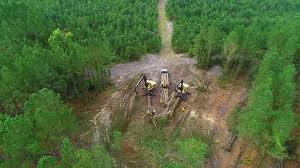
Thinning
The weight of the tree is lightened by carefully cutting selected branches while maintaining the natural shape of the plant. The process helps in reducing wind resistance and prevents branches from breaking.
Image description
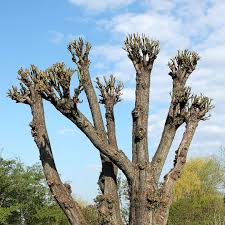
Topping
The top of the tree, mainly the selected upper section of the canopy, is removed to reduce the risk of overgrowth. It is often done to control the height of the tree, so it does not obstruct power lines
Image description
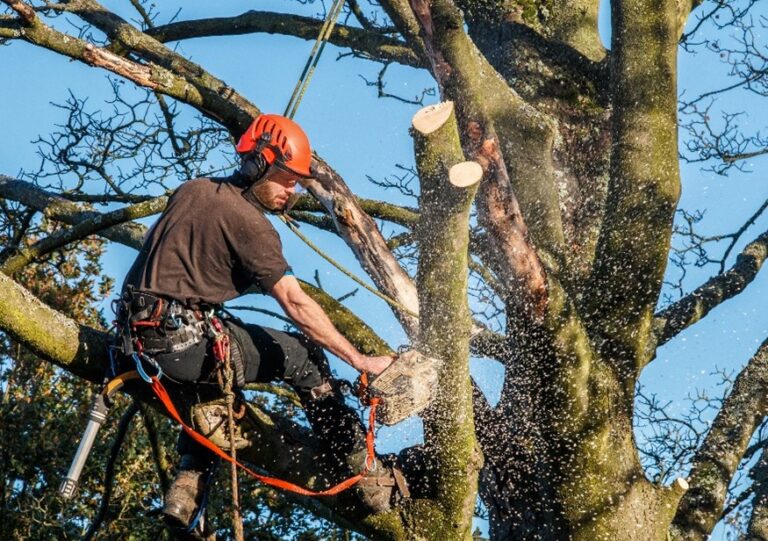
Ensures safety
Tall trees are prone to getting uprooted or the branches breaking during high wind, torrential rain, and storms. Scheduled topping and thinning keep the tree light and reduce the chances of it toppling.
Image description

Have you looked at a property with well-defined trees that has a perfect canopy and wondered how you can get the same features for your trees? This is where certified arborists in tree lacing San Diego, CA, come into play. A professional tree shaping and lacing expert knows the technique of blending the science of maintain a tree that promotes good health with the artistry where the branches reach for the sky and create a unique beauty. Whether you own an orchard or a garden, hiring a professional tree shaping and lacing in Vista, CA is a must. They have extensive knowledge in utilizing the proper tools, practices, and nutrients to give them those exceptional features. Regular shaping and lacing also warrant expensive future issues that can wreak havoc in your pockets. At Pena Tree Services, we offer a customized tree shaping and lacing service across San Diego. 

Frequently Ask Question

Have questions? We’ve got answers! Check out some of the most common queries our customers ask about our tree services.

1. Why is tree lacing recommended in San Diego?

Warm climate of San Diego expediates tree growth. For keeping the tree healthy, professional lacing is needed every 1 to 3 years depending on the type of the tree, its growth rate and age. The process improves the sunlight for other nearby trees. It also reduces chances of damage to the property and wind resistance thereby mitigating the risk of fallen branches and the tree during storms.

2. Are there any specific trees that benefits the most from lacing?

Trees like pine, ficus, pepper, eucalyptus and jacaranda need regular lacing because of the heavy canopy they develop. Lacing can reduce the top-heavy feature and allow better air circulation and sunlight penetration, which help the overall health of the tree and mitigates the risk of fallen branches during heavy rain and storms.

3. How much does tree lacing cost?

Professional lacing can range between $150 and $800. But it can change depending on the location, accessibility, height, species and the size of the tree. You can contact us to get a free assessment along with a free and obligation-free, quotation. We can customize the lacing planning as per your budget.

4. How long will it take for a professional arborist to lace my tree?

Typically, the size, location and the species of the tree determines the time required for lacing. Often a large or multiple tree shaping can take full day, whereas a shrub or small tree lacing can be completed in few hours.